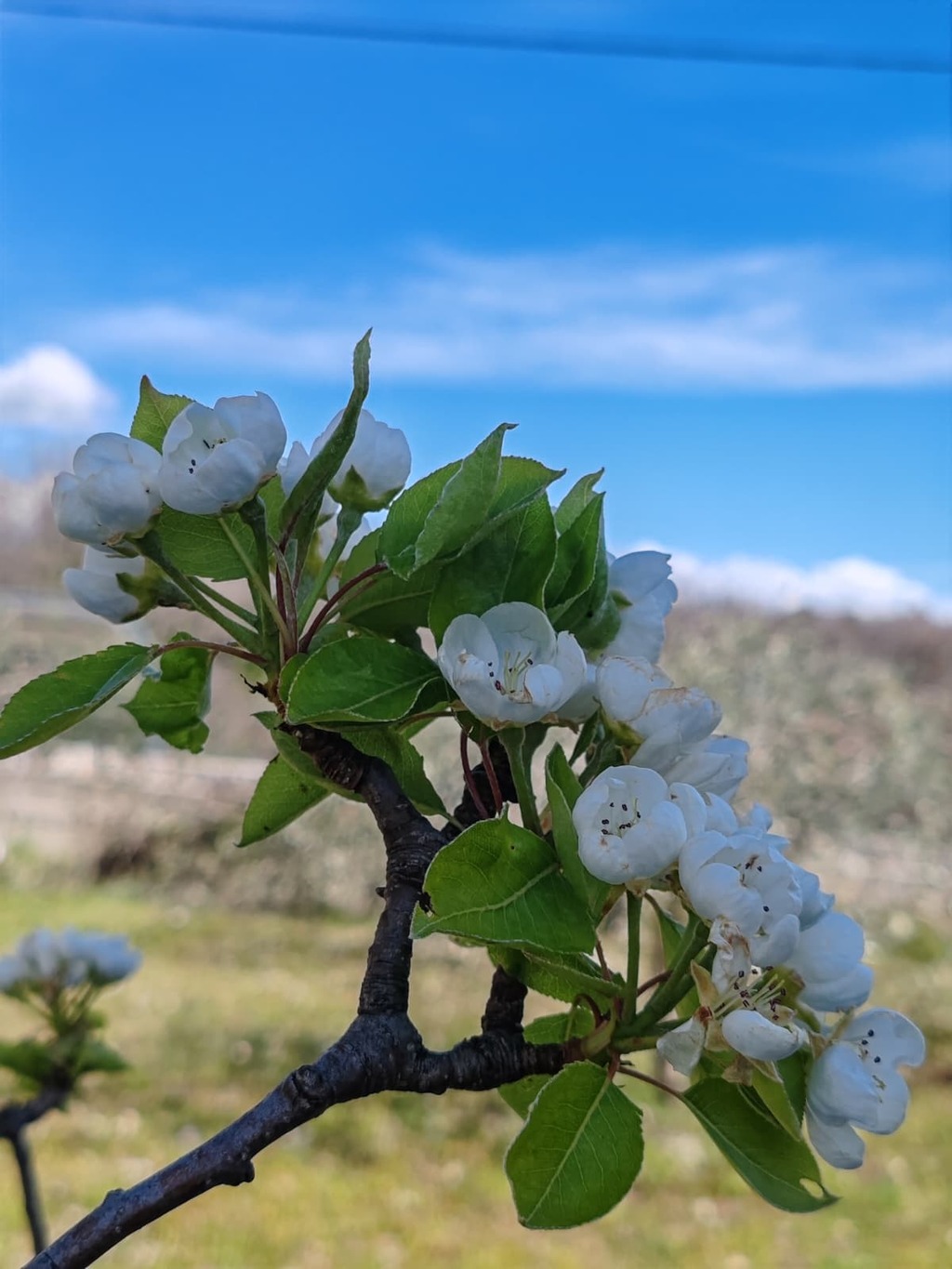
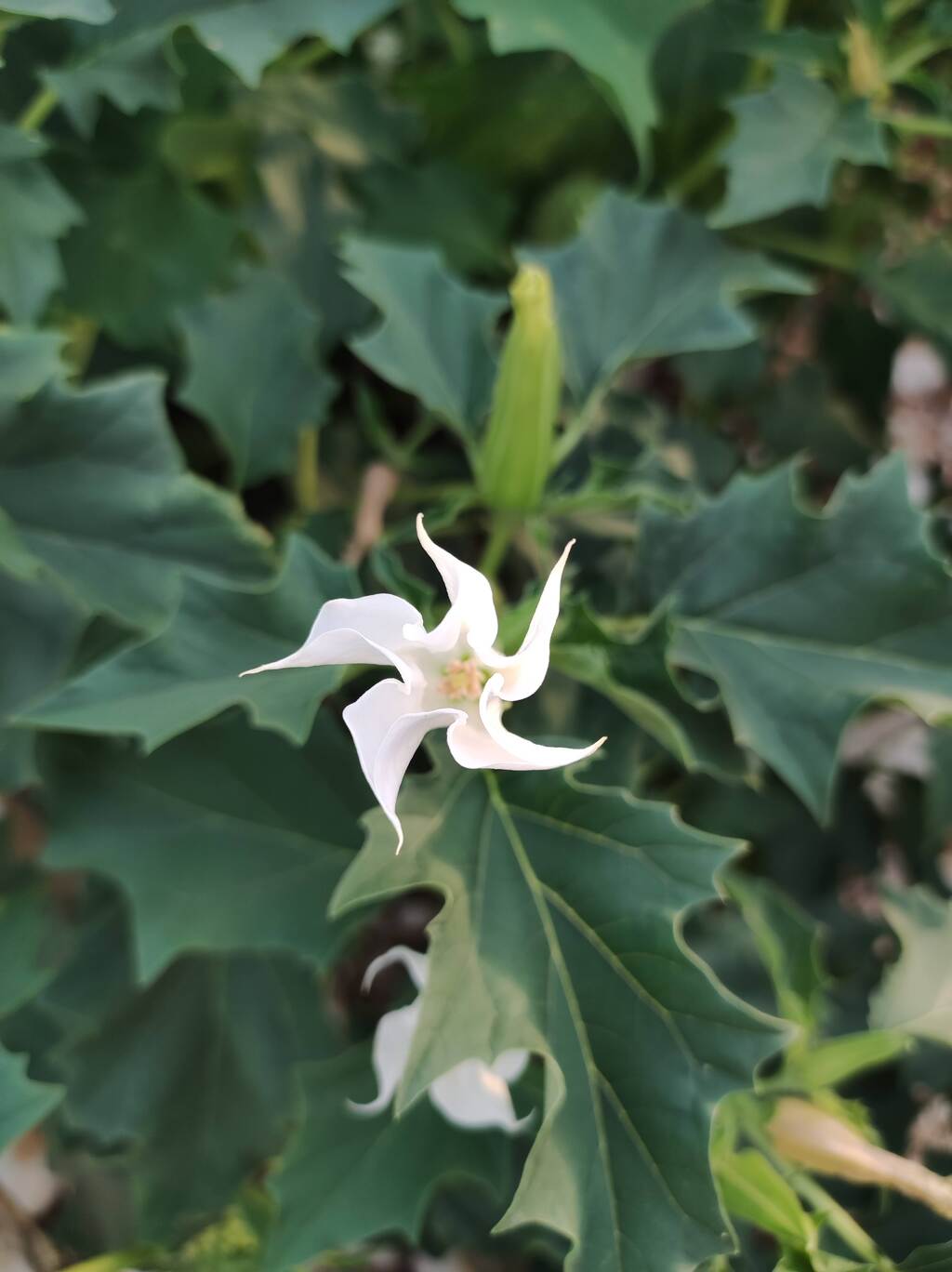
Given the increasingly pronounced impact of climate change on ecosystems, recent research has been focused on plants that successfully withstand negative abiotic factors, with particular attention paid to species growing in habitats characterized by high salinity (halophytes), water scarcity (xerophytes), and high temperatures and intense solar radiation (thermotolerant plants).
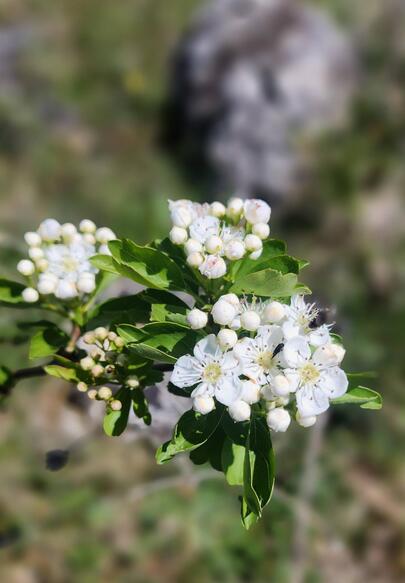
In order to effectively defend against the stress to which they are exposed, these species have evolutionarily developed morphological, physiological, and biochemical adaptive mechanisms that enable their survival. While some plant species within these groups have been well studied, a large number—especially those from the coastal and island regions of Dalmatia, characterized by exceptional biodiversity and genetic variability—remain insufficiently explored.
The GREEN4MED project will encompass the characterization of natural organic compounds that contribute to biochemical and adaptive defense mechanisms, including secondary plant metabolites such as phenolic compounds, carotenoids, sulfur-containing compounds (glucosinolates, isothiocyanates), and volatile organic compounds (terpenes), depending on the plant species studied.
Since the quantity and quality of isolated compounds depend on sample pre-treatment procedures and numerous extraction conditions, the initial phase will include optimization of isolation methods and the application of novel green extraction techniques.
Their biological activity will also be tested in terms of antioxidant and antimicrobial effects, as well as enzyme inhibition. Furthermore, the stability and efficacy of selected isolated bioactive fractions will be enhanced through encapsulation processes using various carrier systems, with the aim of protecting bioactive compounds from external influences that could lead to their degradation, modification, or reduced biological activity.
SCIENTIFIC OBJECTIVES
The proposed project has several main scientific objectives (C), as follows:
C1 – Selection of poorly or insufficiently studied halophytic, xerophytic, and thermotolerant edible coastal plant species from the Dalmatian region
C2 – Optimization of green extraction techniques for the isolation of targeted bioactive metabolites
C3 – Chemical characterization of isolated analytes in the samples
C4 – Evaluation of the biological activity of the samples
C5 – Optimization of various encapsulation techniques to preserve and/or enhance the stability, bioaccessibility, bioavailability, and bioactivity of the analytes of interest
C6 – Testing the properties and application potential of isolates/encapsulates in simulated product models

ALIGNMENT OF OBJECTIVES
The proposed project contributes to the strategic and specific objectives defined by Regulation 78/2023, as well as to the institutional goals outlined in the Development Strategy of the Faculty of Chemistry and Technology in Split 2021–2025 and the Strategic Programme of Scientific Research of the Faculty of Chemistry and Technology in Split 2021–2025, within Scientific Theme 2 titled Profiling and Potential of Natural Organic Compounds.
It is important to emphasize that the use of environmentally friendly extraction techniques included in this research reduces negative environmental impacts and contributes to sustainability, while the development of technologies for preserving bioactive compounds enhances their applicability in industry and supports sustainable production.
In addition, the project proposal is aligned with the mission and vision of the University, as well as with the Development Strategy of the University of Split 2021–2025, particularly in the direction of the green transition as one of the strategic priorities of the EU, and with topics contributing to the United Nations Sustainable Development Goals (SDGs 2, 3, 4, 7, 13, 15, and 17).
All the above-mentioned scientific objectives and project activities are also in line with the European Green Deal, and the potential results contribute to achieving the cohesion policy objective of a “Smarter Europe,” primarily through the development and strengthening of research and innovation capacities and the application of advanced technologies.
Furthermore, the strategic and specific objectives covered by the project proposal are aligned with the National Development Strategy of the Republic of Croatia until 2030, the principles, measures, and thematic priority areas of the Smart Specialisation Strategy until 2029, and the National Recovery and Resilience Plan 2021–2026.
sCIENTIFIC TEAM
fACULTIES OF UNIVERSITY
DALMATIAN PLANT SPECIES